Aims and goals
The main objective of the MG collection is to safeguard genetic resources of herbaceous plants important for Italian and Mediterranean agriculture.
Particular attention is devoted to specific segments of plant genetic resources, such as crop landraces (including “typical products”) or agro-ecotypes threatened with extinction, crop wild relatives, and plants potentially useful for the extraction of bioactive or technological compounds.
The main commitments of the genebank since 1970 up to now may be summarized as follows:
- Collection of the Plant Genetic Resources (PGR)
- Conservation of PGR
- Distribution of PGR
- Characterization and evaluation of PGR
- Analysis of the genetic structure of PGR
- Selection and pre-breeding
- Recognition of useful genes
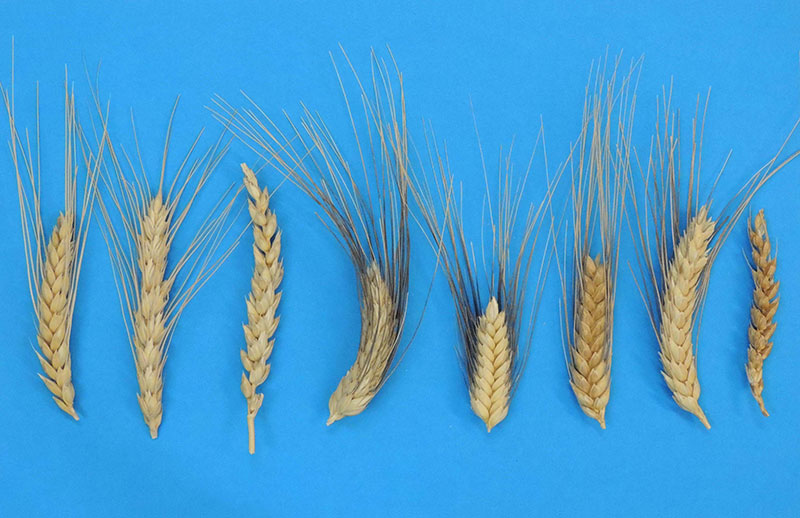

Plant Genetic Resources (PRG)
1. What kind of PGRs are we dealing with?
- Landraces
- Wild and weedy relatives
- Garden-races (sensu Zeven 1998)
- Model plants (e.g., Arabidopsis thaliana)
- Taxa potentially useful for the extraction of bioactive compounds and/or interesting for industry
- Other species economically important for Italy and the Mediterranean region.
2. How are PRG conserved at the MG genebank?
- Living collections in the field (e.g., artichokes, several perennial graminoids, etc.).
- Only orthodox seeds are maintained in the conservation rooms.
- No recalcitrant seeds are conserved.
- Support and planning activities are provided for on-farm and in situ conservation in suitable areas within the framework of specific research and development projects.
3. What kind of information on PGRs is recorded in the MG database?
- Data on exploration and collection activities
- Data on the characterization and assessment of PGRs
- Data on the exchange and transfer of material between genebanks
- Data related to conservation and multiplication activities
- Data from research activities and related publications

For more information, please contact Dr. Domenico De Paola (domenico.depaola@cnr.it).